Showing posts with label damselflies. Show all posts

Monday, 9 January 2017

What will 2017 hold???

So before you know it, it's 2017. It felt like just last week we were getting ready for Spring so quick did 2016 go. But it was a good year with 138 species of bird being recorded at the site. Some of these hadn’t been seen at the reserve before or had been seen, but not for a long while, such as the bearded tits, which according to Paul Holness was last seen around 8 years ago. We had a good year when it came to osprey sightings with several views of them flying over during the August period as the birds begin their journey south.

We had great success with our kingfishers too with at least four broods being raised at Lackford. One brood in particular were very special as they nested in the bank outside the visitor centre, something that has never happened before.

One of our volunteers spotted a great white egret, another first for the reserve even though it didn't stop long. Well done to Joe Myers for spotting that. Also, wheatear and avocet were seen on the reserve again last year among many others. We would like to thank all our eagle eyed visitors for reporting their sightings back to the staff at the centre. Please keep it up as you are our eyes and ears out there.

So, what to look out for this year? Well as always, anything is possible and a rarity can drop in at anytime, but unless people are out looking, we will never know. Last year saw an increase of marsh harrier sightings at Lackford compared to other years and one rarity that we did get other than the long-tailed duck was the great northern diver, which only stopped on the sailing lake for 90 mins, but still it was enough.

A special year

Yes, 2017 is looking to be a special year because it's our 30th birthday! Lackford Lakes officially became a reserve back in 1987 when Bernard Tickner bought a part of the area that had been excavated by RMC (now known as Cemex). This part is now known as The Slough and sees many waders there through the seasons. Eventually, RMC stopped excavating in 2000 and gave the rest of the pits to the Trust. Since then Lackford has gone from strength to strength obtaining not one, but two SSSI (Site of Special Scientific Interest) designations for its overwintering wildfowl and the other for its 21 species of dragonflies and damselflies that can be found here during the warmer months.
A Google Earth image of Lackford Lakes (no lakes present then) in 1945.
And how it is today, a haven for wildlife.

Regular surveys on the site are uncovering new things all the time and it is thanks to the diligence and hard work of our volunteers and staff that make Lackford what it is today, a prime nature reserve. 


Otters

As some of you may or may not know, we have been doing otter surveys at Lackford over the past year and we thought we would like to share with some trail cam footage taken of two otters found using the site.


As you can see from the first clip, the camera was the focus of their investigations. Check out the second clip to see if they were successful in pulling the camera down.


Sightings

As usual, Paul’s New Years Day bird walk was well attended despite the poor weather and 56 species of birds were spotted. Since then, in one week, that number has risen to 73 species. This is down to visitors reporting their sightings back at the visitor centre. By reporting your sightings, no matter how common you think they are, you help many other visitors to the reserve. So keep those reports coming in.

Male goldeneye at Winter hide © Ian Goodall


This past week the kingfisher has been very obliging at the visitor centre pool, the Doubke-decker and Paul’s hide. Goldeneye have been seen regularly at the Winter hide, Hawkers pool and Bess’ hide. Teal and wigeon have been reported in large numbers of over 400 each on the Slough and Long Reach. Plenty reports of goldcrest, treecreeper, nuthatch, marsh tit, coal tit and other small birds from Ash Carr. 

Male pochard © Ian Goodall
Shelduck, little egret, shoveler, gadwall, tufted duck and pochard are all being seen on the Slough and there’s the odd sighting of snipe doing in from Steggall’s hide too. Out on the field feeders on Church walk, brambling have been spotted as well as bullfinch and reed bunting. This is also a likely place to spot tree sparrows, so keep your eyes peeled.

Snipe seen at Steggall’s © Colin Robson
Goosander are still coming into roost and can usually be seen on the Slough, although this weekend a drake was spotted on Hawkers pool and Long Reach.

Goosander (male on right) © Ian Goodall
One last note to mention is that we are getting starlings coming into roost either outside the centre, or in the reeds at the Double-decker hide. However, numbers are low and not like those seen in previous years. Yet it is still a sight to behold and the best time to see this is around 3:30pm just before dusk.


Friday, 2 September 2016

Summer is still with us.. but for how much longer 


With the warm weather still apon us there is no let up on the dragonflies and insects on the wing. With this late summer warmth its introduced a noticeable increase of migrant hawker dragonflies along with ruddy & common darter and brown hawker.

painted lady © Greg Veness

 A willow emerald damselfly is new for the year near Bess’s hide.
The first grayling of the year was seen last weekend and a purple hairstreak has been reported recently. Along with good numbers of brown argus, common blue, peacock, red admiral, comma and painted lady butterflies, the reserve total is now at 25 species for the year.

Plently of Birds on the reserve  

The birds on the reserve are stable with common sandpiper & green sandpiper and common terns as our main visitors along with our first ever black-tailed godwit this was spotted out on the Slough

black-tailed godwit © Joe Jackson 


Eyes to the sky

Recently an osprey has been spotted over Lackford and is now being seen more often, please keep a look out for this beautiful bird as it migrates south. Also we have had a wheatear spotted on site.

osprey © Greg Veness

The kingfishers are still putting on a beautiful show at (slough & eastern lakes) so why not pop down and see these beautiful birds. Kingfishers are a small and unmistakable bright blue and orange bird, that fly rapidly, low over the water and hunt fish from riverside perches. They will occasionally hover above the water's surface before diving for their food.

kingfisher © Larysa Flack 

Time for a clear up

This week some of our volunteers were out and about checking our nest boxes after this years broods and came across a tree sparrow nest. We beleive that this maybe the first time they are nested at Lackford and we very much hope that we will return next year.

Smaller than house sparrow, they have a chestnut brown head and white cheeks and collar with a black cheek spot.

tree sparrow © Lackford volunteers  

tree sparrow nest © Lackford volunteers

Whats on at Lackford

This Saturday 3rd September we have our family bat walk, we will leave the visitor centre at 8pm and return at 10pm. Please bring a torch with you but bat dectors will be used.

On Saturday 10th September we have our Naturally Art event. From 10 am to 12pm Art activities will be undertaken with the inspiration of the wild

Dont forget to check out our website for all our events: Lackford Lakes We look forward to seeing you soon.

grey heron © Larysa Flack 


Sunday, 3 July 2016

Summer months.. where are you? 

After the deluges of last week, (rain rain go away come again another day) on Friday it brightened up and the wildlife took centre stage.

With the weather brightening up and the warmth bulding, there has been the emergence of fresh looking butterflies; in addition to last week’s browns, ringlet and speckled wood have joined the roll call. Peacock butterflies are splendid at the moment and all three skippers have been reported (large, small and Essex

peacock butterfly © Greg Veness

 What a site

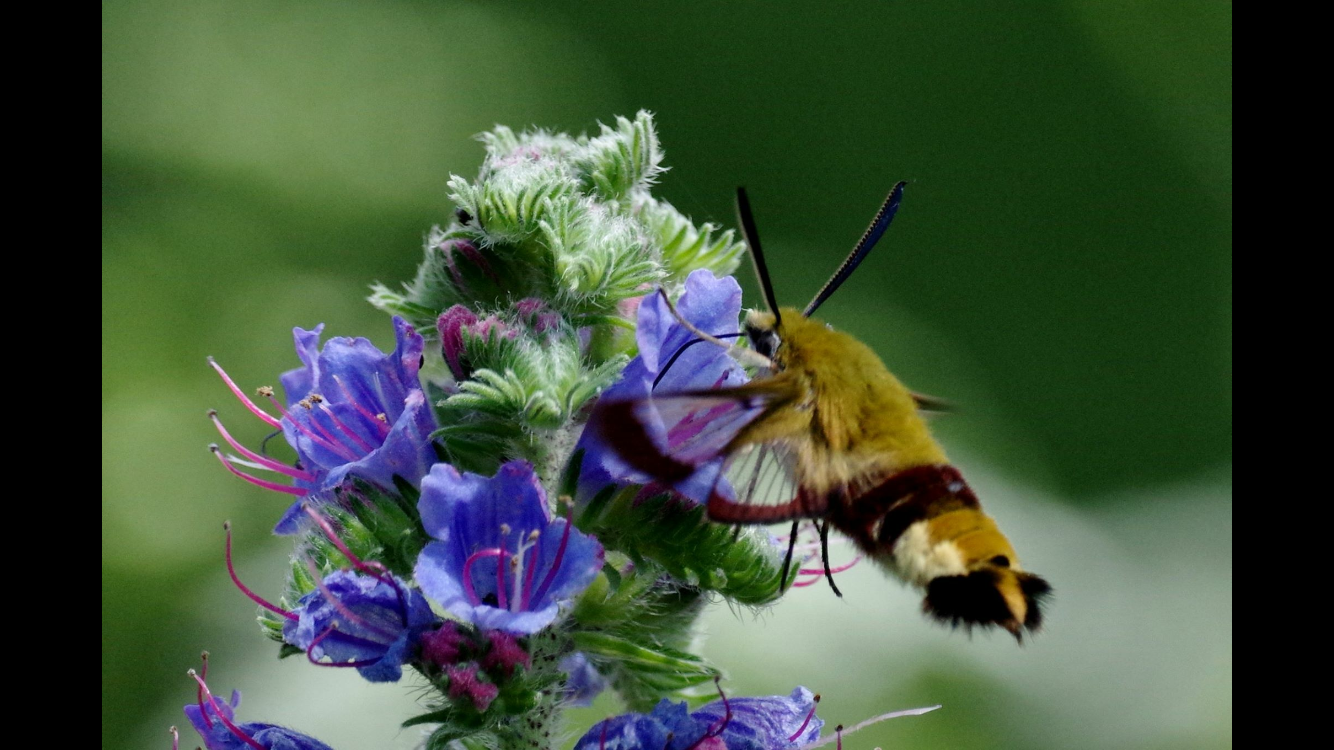
A broad-bordered bee hawkmoth feeding on viper’s bugloss was one photographer’s highlight, and a nice record.


broad-bordered bee hawkmoth © Bob Chappell

Despite the wet weather the insects have been making lackford lakes their home. Numbers of dragonflies such as hairy and - new this week – emperor dragonflies are increasing. Brown butterflies such as gatekeeper and meadow brown are in evidence for the first time along with small copper and skipper. A notable event is the nesting of tree bumblebees in the Double Decker hide – please take care if using this hide


Flashes of blue

In the bird world the kingfishers have fledged, adults and juveniles can be spotted all around lackford. (good spot is the Double Decker hide) Look out for that flash of bright blue across the water, they are such a stunning bird to watch and with the sunny weather on the way the sun makes them even more beautiful.

kingfisher © Stephen Whayman

kingfisher © Stephen Whayman


 The sound of summer

The turtle dove is a dainty dove, its smaller and dark than a collared dove and slightly larger than a black bird. The upperparts are mottled with chesnut and black and its black tail has a white edge. The purr of a turtle dove is the sound of summer and its amazing that one was spotted on the wire along our church walk path.

turtle dove © Rich Berry
Turtle dove © Jonny Rankin


 Family fun

A day trip to lackford lakes is perfect for the family to connect with nature, pop into the visitor centre where you can pick up one of our spotter sheets (see how many species you can spot)

On saturday 9th July we have, Summer birds & butterfly ID.    

Explore lackford lakes with local birder and butterfly enthusiast, Paul Holness, and learn to observe and identify the great variety of species.

A chance to spend a relaxed and informative day learning new identification skills or brushing up on those you already have.  The wide variety of habitats at Lackford encourages a great range of bird and butterfly species and you will have the opportunity to see and hear a good number of both. This day is suitable for beginners and those with less experience. Booking is essential for this event so please visit our website for more details. http://www.suffolkwildlifetrust.org/lackfordlakes

It was Naturally Art this weekend with our nature inspired art weekend for 5-10 year olds. This week there was an under the sea feel to it and was enjoyed as always by all who attended. If you would like your child to get involved, then book them onto our next session on the 10th Sept


Tuesday, 14 June 2016

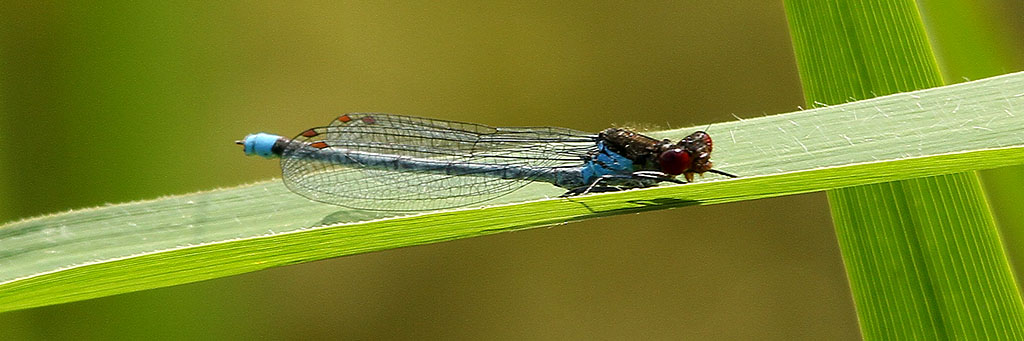
red eyed damselfly © Joe Jackson
SWT Lackford Lakes

Well the weekend and this week so far have been one minute sunshine and then the next rain, but it has not stopped the wildlife here at Lackford Lakes.

Fledging birds have been seen all over the reserve despite the terrible weather. Blue tits, treecreepers, long-tailed tits and blackcaps are being spotted all over. The kingfishers have been visible around the Hawker Pool. The parents have been seen carrying large fish to the nest bank so please keep your eyes open for fledging Kingfishers!

Last weekend a spotted flycatcher was seen for the second time at Lackford feeding over the centre pool. It is often perched on the edge of the branches and will dart in and out to catch its dinner. If you do see this amazing bird please let us know in the visitor centre!

Damselflies and dragonflies are being seen all over Lackford. Look out for their striking colours and the beating of the wings flying past you.   

Four spotted chaser © Joe Jackson 


Sadly our dragonfly & damselfly identification on 25th June is now FULLY BOOKED. But... do not fear, every Saturday throughout June at 1pm we will be doing Discover the moths of Lackford

There is no need to book but be ready at the visitor centre just before 1pm.


The above video was taken at lackford two weekends ago and shows some of the species that are around at the moment.

Over the last few days our bee orchards have been flowering. We have at least 3 in bloom at the moment with many more preparing to burst into colour in the coming weeks.

One other event that has taken place this week is the appearance of a good range of butterfly species:brown argus, speckled wood, green veined white, red admiral and holly blue but on the top of the list is the painted lady making its appearance for the first time.

Great crested grebe on its nest © Gregory Veness

There are no new birds to add to our list but a count of 100 lapwing are on The Slough, along with the odd common tern.


Wednesday, 16 September 2015

Otterly brilliant

Quite a little burst of warm weather of late has sat over Lackford and this has made for good views of the kingfisher and the otter, the latter seems has taken quite a liking to Mill Deep, which can be viewed from Fullers Mill hide. Visitor Assistant Hawk Honey took a stroll down there this week in the hope of setting up a trail cam to catch some video footage of the otter, only to find the otter happily fishing away just feet from him. He managed to catch this video.


The otter has been spotted on the reserve everyday for nearly a month now and it doesn't seem to be showing any signs of moving on, which is good news. Lets hope it continues to make Lackford its home.

Kingfishers also seem to be happy here at Lackford and have been spotted all over the reserve at the following hides: Double-decker, Bill's, Bess', Atlas, Steggall's and the Visitor Centre. 

Kingfisher on the 'T' piece at the Visitor Centre

New for Suffolk

A first ever record for Suffolk was recorded last weekend, when Visitor Assistant Hawk Honey spotted an ichneumon wasp flying against the glass window in the centre. Hawk caught the wasp and took some photos before releasing it back outside. Later, with the help of ichneumon specialist Gavin Broad, the wasp was identified as Dusona falcator (sorry, it doesn't have a common name). This species preys on the larvae (caterpillars) of the buff-tip moth, which it paralyses and takes to a nest chamber, where it lays an egg on the caterpillar before sealing the chamber. The caterpillar will be food for the wasp larvae during the winter months until spring the following year.

On submitting a record of this find to the Suffolk Biological Records Centre, we found out that it was a first ever record for Suffolk! Looking further into the records, there only seems to be one other record of this species in the UK, which makes the find even more important.

Dusona falcator in the hand.
and from the side.
Other sightings from around the reserve have included water rail at the Double-decker hide along with green and common sandpipers. Little egret, teal, tufted ducks and little grebe have also been spotted here. Great crested grebes, hobby's, pochard have been seen from Bess' hide looking across Long Reach. As the autumn season begins to get into full swing, we are more likely to see more ducks arriving at the reserve and before we know it, all the winter regulars such as goosander, goldeneye and pintail will soon be back.

A sure sign that autumn is on the way is the arrival of wigeon on the sailing lake. 24 were spotted last week and although often seen at the sailing lake, it is always best if you pop into the visitor centre on your arrival just to check where they were last spotted, as they do like to move around form time to time. Goldcrest, nuthatch and siskin have been spotted in Ash Carr near the corner of Hawker Pool.

Goldcrest at Ash Carr by Colin Robson
A few butterflies are still to be seen on the warmer days with comma, painted lady and red admiral's still being reported.

Painted lady still seen on the reserve.


Grass snake has been seen in several locations around the reserve along with slow-worm's too.

Grass snake photographed by our wildlife guide Colin Robson
There are a few dragonflies and damselflies still about despite the cold spell and we are now seeing some migrant hawkers as well as the odd willow emerald damselfly. 

Another unusual ringing!

Some time back, you may remember the image of the greylag goose with a bright orange ring neck collar being photographed on the reserve by regular visitor Rich Berry.

Unusually rung greylag at Lackford by Rich Berry
Well it would seem the greylag wasn't the only one with this unusual attire, as regular visitor and member Mike Bishop grabbed this photo of a canada goose on the reserve.

Another rung goose by Mike Bishop
We sent the information to Lee Barber at BTO who sent us back this information about the latest ring wearer.

Recapture History for ALJ

Ring No              Type   Age    Capture        Date          Init    Details

Canada goose
5270632              N        4M                         06/07/15    DJH  Nunnery lakes Reserve Nth
                            O         2      Sighted(R)   25/07/15    NJM  Nunnery, Thetford, (1km,W, 19days)
                            O         2      Sighted(R)   07/08/15    JHM     "    "      "      "   " (1km,W, 32days)
                            S          2      Sighted         12/09/15   MBI   Lackford lakes (14km,SW, 68 days)

Lee also went on to say 
The bird you saw was an adult male ringed at the BTO Nunnery reserve this year. This bird has been interesting as it has not been seen away from here since being ringed. The age code 4 means that it hatched before the current calendar year when it was ringed. The age code 2 means it was seen as a fully grown bird (i.e. not a chick). 
So if you see any other birds wearing a ring like ALJ or FJH above, then grab a photo and pop into the centre to let us know and we'll find out more about it for you.

Don't forget...

Yes, don't forget to check out what's happening at Lackford in the coming weeks by clicking on the Forthcoming Events section found down the right-hand side of this blog. 

If you have any photos that you've taken on the reserve, don't forget to send them to us so we can show them off for you.


Wednesday, 8 July 2015

Hi Ho slither away....

Well the hot days of summer have eventually fell upon us and with it the burst of insect activity that comes with hot summer days. Dragonflies are in abundance across the reserve and our largest native dragonfly the emperor dragonfly can often be found patrolling the pond outside the visitor centre. Elsewhere, black-tailed skimmers, broad-bodied chasers, banded demoiselles, red-eyed damselfly and many more odonata can be found. 

Black-tailed skimmer by Rich Berry
Four-spotted chaser by Colin Robson
This abundance of dragonflies has brought in one of its top predators, hobby’s, which can often be seen flying over the Slough or Mill Deep catching and eating their catch on the wing, an amazing sight to see.

The kingfishers have been quite active of late and are often seen down at the double-decker hide. Mind you, it pays to have a little patience and wait for a bit if you want to have a good chance of seeing this beautiful little bird. Several visitors got some cracking shots of this striking bird.

Ellie Stones managed this lovely shot.

Rich Berry caught this juvenile perched.

Stephen Whayman shared this action shot on Twitter
Sorry if you’ve sent us photos which haven’t been included here, but our telephone/internet situation at Lackford still hasn’t been resolved and therefore we have no access to our emails at present. The situation is completely out of our hands and we hope will be resolved soon, so watch this space.

Butterflies are another species that’s been taking advantage of the hot spell with many meadow brown, gatekeeper, ringlet, painted lady, red admiral, comma, large skipper’s and many more being seen around the reserve.

Ringlet by Rich Berry
Large Skipper by Colin Robson
Comma by Colin Robson
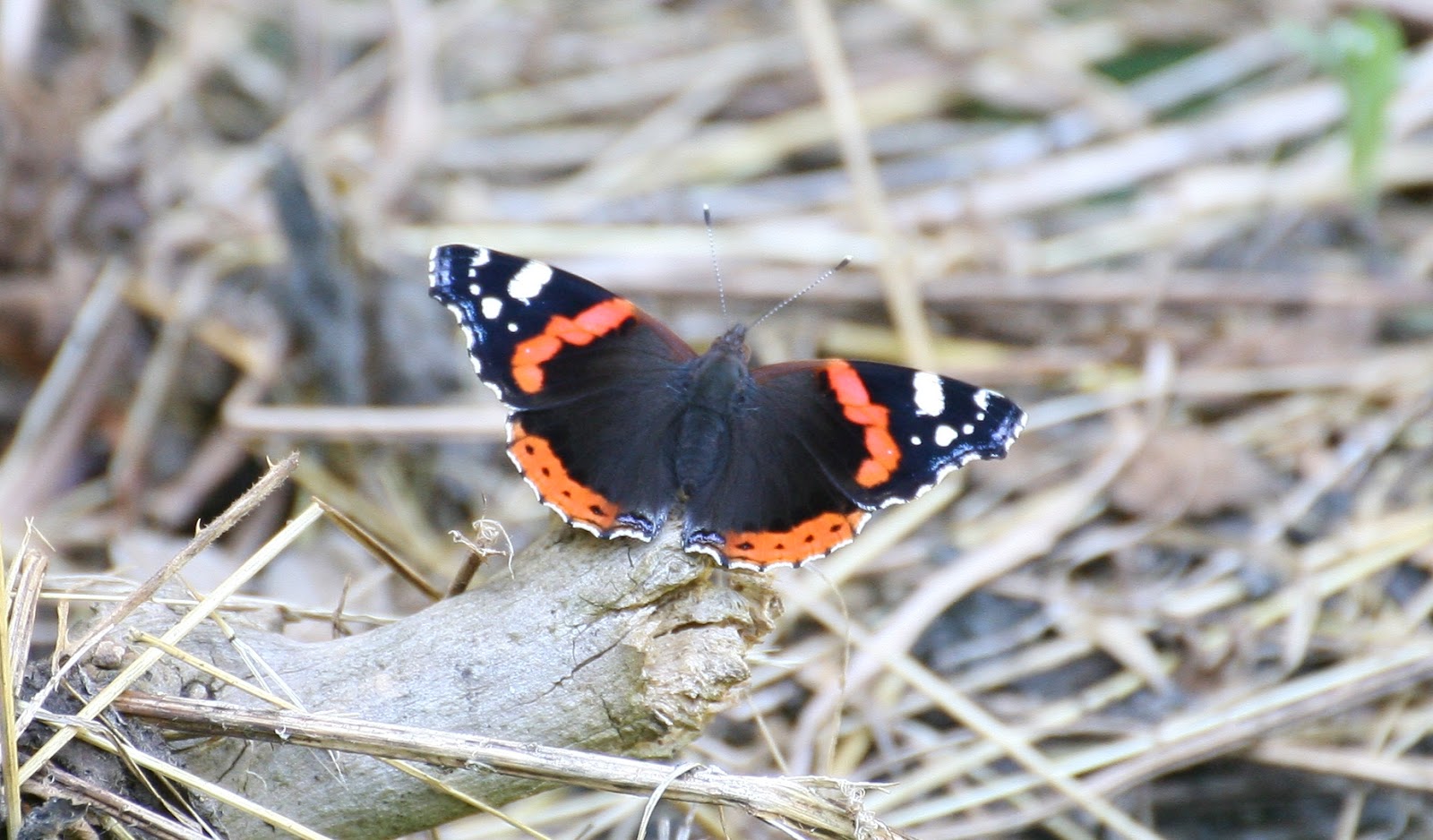
A pristine looking Red Admiral by Colin Robson
On the subject of Lepidoptera, last weekend saw the next instalment of our Wild for the Weekend themed weekends with Summer Wildlife. As usual, the moth traps had been set up overnight and the warm overnight temperatures meant there were to be some wonderful finds in the trap.

Plenty of Elephant Hawkmoths were in the trap
A male Drinker moth
We even had a visit from our largest resident moth the privet hawkmoth pictured below.

A Privet Hawkmoth
As usual, the moth sessions were well attended and the gasps of amazement were all around as beautiful moth after beautiful moth were lifted from the trap.

Monday opening!

As most of you will know, the visitor centre has always been closed on Monday’s (except for Bank Holidays). Well this i set to change for the period of the school summer holidays and as from Monday 27th July, the centre will be open on every Monday up till Monday the 31st August. So now you can enjoy coffee and cake after your walk every day of the week!


Yes, the Bioblitz soon approaches and our website is now live and can be viewed here. Please have a look and book onto any of the events you would like to attend. The events are free, but numbers are limited, so don’t miss out!

It’s not just wildlife.

Lackford is renowned for its biodiversity when it comes to wildlife, but as Ellie Stones proved, it’s also a place to get some stunning scenic shots, especially sunsets, and shared this lovely photo of the visitor centre on our Twitter.

Sunset in reflection of the visitor centre. Ellie Stones

And finally...

By now, all of us would have seen the weasel riding on the back of a flying woodpecker. However, David Offord managed to capture this series of fantastic photos from Bess’ hide of a damselfly hitching a lift on the head of a swimming grass snake!

Who would like to add a caption? 
A big thank you to David and all of our other contributors to the blog, keep your photos coming and don’t forget, Suffolk Wildlife Trust have a wonderful photo competition that’s free to enter and has some great prizes. You can find out more here.