Showing posts with label Reserves team. Show all posts

Sunday, 9 August 2015

The best in Suffolk

As may know, last weekend was Bioblitz weekend at Lackford Lakes and what a wonderful weekend it was with people coming from far and wide to be part of it. One family traveled all the way up from Dorset just for the Bioblitz and said they enjoyed every moment of it.

The Bioblitz got underway with a bird walk led by our bird expert Paul Holness with over 50 species of bird being spotted in the 2 hour walk. Dr Simone Bullion then led the setting of the mammal traps, which was attended by several families interested as to what we might find scurrying around in the undergrowth.

Dr Simone Bullion demonstrates small mammal trapping.
As the sun set, the moth traps were set ready to catch the nights moths and then we moved on to the other night's flying creatures, bats. Lots of people turned up for the bat walk, which was led by Bill Landell from Suffolk Bat Group and Visitor Assistant Hawk Honey. The evening was ideal and it wasn't long before the first bats of the evening were out feeding much to the delight of those in attendance who all had bat detectors leant out by the visitor centre and the bat group. The evening was filled with the sounds of clicks from the detectors and "ooo's" from the spectators as the bats wheeled and dived around them.

A glorious moonrise whilst watching bats
Everyone returned form the bat walk to get wonderful views of the night sky with the help of the Breckland Astronomical Society
The Sunday morning had a glorious start with sunny warm skies, which looked, and proved promising for the day ahead. First off, we had to find out what the moth traps had caught. There was quite a variety of moths in the trap, including a couple of hawkmoths and some beautifully coloured ruby tiger and August thorns.

Hawk Honey shows visitors Terry and Peter some of the moths caught.
Black arches
Hawk with a pine hawkmoth

Colin Jakes, our resident bird ringer held a drop in session showing and explaining to people why birds are rung and Martin Sansford from the Suffolk Naturalist's Society and Suffolk Biological Records Centre led a Breckland's plant walk, identifying and recording all the plants they came across.

At 9:30am, it was time to empty the small mammal traps and once again Dr Simone Bullion was on hand to lead the proceedings. The traps were pretty successful overnight catching several bank voles and the odd wood mouse. Unfortunately, no shrews were caught, which would have added to our records.

Education officer Emma Keeble and spider expert Alan Thornhill led the minibeast and spider walk, which was eagerly attended by several children as was the always popular pond dipping which turned up many dragonfly and damselfly larvae.

The reserves team of Will Cranstoun, Giles Cawston and Joe Bell-Tye led the afternoon wildlife walk across the reserve pointing out many of the reserves special features and wildlife. This moved on to a Dragon & Damsels walk led by Suffolk County recorder for Odonata (dragonflies) Adrian Parr. This saw those on the walk going to parts of the reserve that is usually closed off to the public.

Finally, the day was brought to a close by bee expert Adrian Knowles and butterfly expert Rob Parker leading the bees and butterfly walk.

Rob & Adrian explore the shrubs looking for butterflies & bees.
During all of these events, Suffolk Biological Recording Centre were on hand to record all of the findings over the 24 hour period. The one thing we did not expect to find, but were happy we did, is that we broke the Suffolk Bioblitz record by recording the most amount of species in 24 hours! Yes, 657 species were recorded, but that number is set to change as some recorders need to add their findings and some other records also need to be verified or discounted. Amazingly, over a 1000 records were submitted over the 24 hour period and for this we would like to say thank you to everyone involved who help make this Bioblitz Suffolk's best ever. This includes all the volunteers who helped on the day, the experts from SNS and SBRC and the staff, not only from Lackford, but head office too. Last but not least, a big thank you to everyone who attended and enjoyed themselves looking for wildlife at Lackford. If you would like to see what was recorded, then click here

In other news...

The juvenile kingfishers continue to show well across the reserve, hotspots continue to be Bess', Atlas and double-decker hides and Hawker pool. Another visitor that is becoming more and more frequent and has been seen nearly every day in the past week or so is the otter. Several photos have been sent in to us and shared via our Twitter and Facebook accounts.

© Allan King 

© Barry Woodhouse

© Duncan Fletcher-Brown
As said before, the kingfishers are showing well too and again the photos have been coming thick and fast.

 Juvenile female kingfisher © Barry Woodhouse

© Barry Woodhouse

Juvenile male © Allan King


Little grebe's are also being spotted around Fullers Mill hide with their young and a snipe was reported from the Slough at the weekend.

Little grebe © Barry Woodhouse
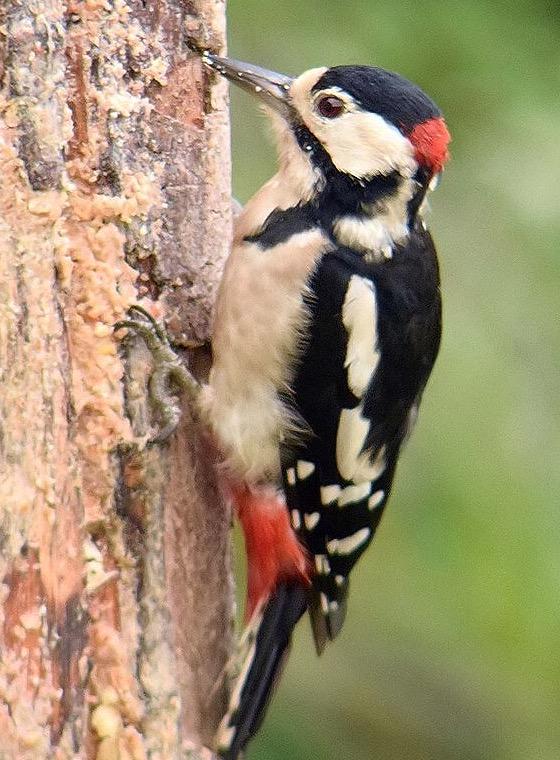
The great spotted woodpeckers are still being seen at the feeders outside the visitor centre.

Great spotted woodpecker © Barry Woodhouse
Of course, Lackford isn't just about birds. A great variety of other wildlife has also been spotted around the reserve as seen and photographed by our many visitors and contributors to this blog, which we thank you all for.

Brown argus © Rich Berry

And with wings shut © Jim Palfrey
Dragonflies have also been in abundance as the weather is perfect for them to hunt and mate in.

Southern Hawker © Jim Palfrey
Duncan Fletcher-Brown got three for the price of one in this shot of the butterflies nectaring on hemp agrimony on the kingfisher trail.

Painted lady, meadow brown & peacock © Duncan Fletcher-Brown
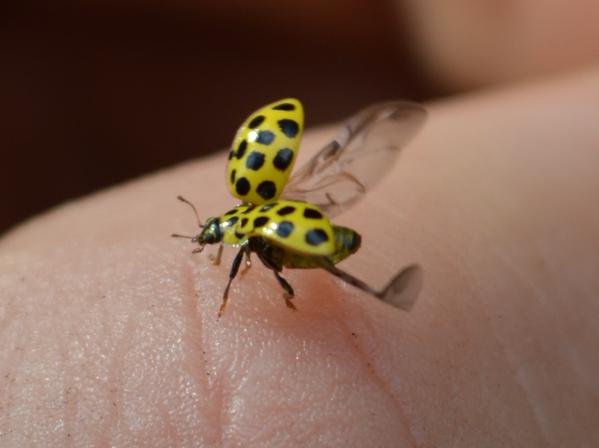
Volunteer wildlife guide Joe Myers happened on this 22 spot ladybird and got a photo of it just before take off.

Lift off! © Joe Myers
And this ladybird lookalike, but not a ladybird, was this fungus beetle.

Fungus beetle 
A slightly unusual find was made by visitor assistant Hawk Honey when he came across this robber-fly with common blue damselfly prey along the summer trail.

Nom, nom, nom.
Last but not least, we had some amazing footage of an unexpected visitor to the mammal box this week.


Tuesday, 9 June 2015

Kingfishers and dragonflies.

Two new arrivals this week and they weren’t chicks. The first was a pair of avocets which landed near Steggall’s hide. Unfortunately, they weren’t there for long and were soon off, later being spotted at another SWT reserve, Mickle Mere. The other new arrival was the spotted flycatcher, which unlike the avocet’s, should stay a lot longer. So these two new birds brings the reserve bird species list up to 130 for the year. 

The turtle dove has started to be seen again on the overhead wires as you drive into the car park. The best times to see these are early in the morning though. Although, there have been some daytime sightings in the adjacent fields.

The reserves team of volunteers had a bit of a clear out in front of Reed hide recently removing some of the encroaching reed bed. This seems to have had a positive effect, as hoped, as reed warblers have been showing well and also young kingfishers have been spotted there since. The young kingfishers are not the ones from Hawker pool though. These are young believed to be from a nest on the adjacent River Lark that have fledged earlier. The kingfishers at Hawker pool are still feeding their young and it’s believed they should fledge sometime this week, one to keep an eye on.

Juvenile Kingfisher with food at Reed hide © Duncan Fletcher-Brown

And in flight © Duncan Fletcher-Brown

Common terns have now hatched their young and can be seen on Hawker pool and tufted ducks have also been spotted with no loess than 6 chicks and can be seen from Steggall’s hide. Great crested grebes also have young riding on the adults back and can often be viewed from Bess’ hide.

The once famous stars of the Lackford stump, the nuthatch’s, have thought to have fledged their young, yet no-one has seen them yet. Another one to keep an eye out for. 

Strangely, in the middle of the night, the coots at the visitor centre pool, built a new nest on one of the floating islands and their last remaining chick has taken to sitting in the middle of it.
Coot with young in the middle of the new nest.

On the insect front

Things have been perking up on the insect front too and the butterflies seem to becoming out in force now with brown argus, peacock, brimstone, red admiral and common blue among others being spotted.

Male common blue © Rich Berry
Cinnabar moths can still be seen fluttering around the reserve and it won’t be long before their black and yellow caterpillars will be seen munching on the ragwort around the reserve.

Dragonflies are being seen in numbers now and the first black-tailed skimmer was spotted on the reserve at the weekend Damselflies have also been seen emerging from the water down at Orchid hide and are very numerous wherever you go on the reserve.

Dragonflies a plenty © Rich Berry
One damselfly that’s always a sight to see is the banded demoiselle and as usual, these can usually be seen from the bridge just before Bess’ hide. As always, pop into the visitor centre when you arrive to find out what is happening where on the reserve.

© Rich Berry

Sunday, 22 March 2015

Lackford’s Got Talent!

Well the reserve team have been quite busy this week making a slight alteration to the paths near the Double Decker hide. This was necessary as the open area led to confusion for some, causing them to be a bit lost.

The big machinery was called in.
Using some of the Poplars that were cut down a few weeks ago, a barrier was put in place.

The poplar trunk was then covered with Breckland soil.
By covering the logs with the soil, a unique habitat has been created for invertebrates to live in. In turn, this will benefit other wildlife that will feed off the insects within.

A natural barrier.
This natural barrier will keep people on the paths and hopefully not lost. Then they can enjoy the pleasure of the reserve without a care in the world.

Help for our little friends!

As many of you may know, our hedgehogs have been in serious decline for sometime now with populations down from over 30 million in the 1950’s to just over 1 million now. This trend is not good and we must do all we can to help our spike little garden friends. They provide a valuable service in our gardens eating such pests as slug, snails and leaf beetles. However, the increase in vehicles on our roads, nice clean tidy gardens, pesticides and shiplap fencing to define the borders of our gardens, have not been favourable changes for the hedgehog.

We can do little things to help hedgehogs by reducing our use of pesticides in our gardens, leaving a small gap of a few inches under our fences and garden gates, leaving a pile of leaf little or just let the leaves accumulate a bit around your garden. If possible, you can give them a real boost by providing them a shelter for them to raise young in and/or hibernate in during winter.

An empty wooden box should suffice, along with any leaf litter you can leave lying around. The hedgehog will collect her own nesting material and drag it to the box. We have a wonderful volunteer called Bob who makes hedgehog boxes for the Trust with all proceeds going towards the Trust and these are sold at Lackford with instructions for only £25. 

Hedgehog nesting boxes for sale at Lackford.

They do have a tendency to sell quickly, so make sure you get yours and give Suffolk’s hedgehogs (and your garden) a helping hand.

Your photos!

Many of you have been answering the call to share your photos and wow, what a talented bunch you are, keep them coming.

The Red Crested Pochard is still visible from the Fullers Mill Hide and was captured by Joe Jackson who sent his photo in via email: lackford.centre@suffolkwildlifetrust.org (put ‘For the blog’ in the subject line).

Red Crested Pochard © Joe Jackson
Joe also managed to find a spot where the Nuthatch’s are nesting and grabbed these wonderful shots as they flew to and from the nest.

© Joe Jackson

© Joe Jackson
Chiffchaff’s are in full swing with their song now at Lackford and are often seen from time to time too.

Chiffchaff © Joe Jackson
The Great Crested Grebe’s have been displaying down at Atlas hide and we’ve been getting some great photos sent in. Jon Winnan sent us these:

Having a break © Jon Winnan

Close up © Jon Winnan
A member of the visitor team caught this shot in mid display.
And when they’re not displaying, they have to build up that energy and feed. Greg Veness caught this shot of one of the Grebe’s making off with a spikey, but tasty Perch. He shared it with his followers on Twitter by using our Twitter name (@SWTLackfordLake).

© Greg Veness
Jon also caught this Snipe showing it’s plumage off.

© Jon Winnan

© Jon Winnan
Barry Woodhouse also sent us his images of a Kingfisher he captured here at Lackford.

© Barry Woodhouse

© Barry Woodhouse

© Barry Woodhouse

© Barry Woodhouse
We would like to thank all of you for your images and please keep them coming. If you have any images that you have taken at Lackford that you want to share with us, then email us with the words ‘For the blog’ in the subject line and we will do our best to feature them.

Sightings


Not 1, not 2, but 3 Sand Martin’s have been spotted over the sailing lake this week, a sure sign that the weather is improving. A female Marsh Harrier was seen flying past the visitor centre too.

Female Marsh Harrier.
Our yearly total is now up to 102 today thanks to a Common Crane seen flying south over the reserve. Peregrine, Red Kite’s and Buzzard’s have also been spotted flying over too! 

Red Crested Pochard as mentioned above at Fuller Mil hide, Cettis Warbler can be heard from the path along the sailing lake where Goldeneye can be seen bobbing around. The Kingfisher is still showing up at the visitor centre pond from time to time and Chiffchaff’s can be heard and seen at various points around the reserve. Siskin, Coal tit, Marsh tit & Nuthatch have all been showing well down at Ash Carr. Here’s photo one of our staff managed to get lately.

Nuthatch © Hawk Honey
Snipe have been seen down at Steggall’s and Bill’s hide on the Slough. Also spotted on the Slough have been Shelduck, Heron’s, Redshank and Teal.

Redshank seen from Bill’s hide.
Don’t forget to pop into the centre when you arrive to find out what’s happening, the staff are very friendly and don’t bite. Also let us know what you’ve seen regardless of how common or unimportant you think it is. We often get novice birders visiting the centre and people from abroad on holiday who have not seen birds we think are quite common.

Also, if you use Twitter, do pop in and say hello, it’s good to put a face to a Tweet from time to time.

Hope you all have a good week, see you next time.