Showing posts with label birds. Show all posts

Monday, 9 January 2017

What will 2017 hold???

So before you know it, it's 2017. It felt like just last week we were getting ready for Spring so quick did 2016 go. But it was a good year with 138 species of bird being recorded at the site. Some of these hadn’t been seen at the reserve before or had been seen, but not for a long while, such as the bearded tits, which according to Paul Holness was last seen around 8 years ago. We had a good year when it came to osprey sightings with several views of them flying over during the August period as the birds begin their journey south.

We had great success with our kingfishers too with at least four broods being raised at Lackford. One brood in particular were very special as they nested in the bank outside the visitor centre, something that has never happened before.

One of our volunteers spotted a great white egret, another first for the reserve even though it didn't stop long. Well done to Joe Myers for spotting that. Also, wheatear and avocet were seen on the reserve again last year among many others. We would like to thank all our eagle eyed visitors for reporting their sightings back to the staff at the centre. Please keep it up as you are our eyes and ears out there.

So, what to look out for this year? Well as always, anything is possible and a rarity can drop in at anytime, but unless people are out looking, we will never know. Last year saw an increase of marsh harrier sightings at Lackford compared to other years and one rarity that we did get other than the long-tailed duck was the great northern diver, which only stopped on the sailing lake for 90 mins, but still it was enough.

A special year

Yes, 2017 is looking to be a special year because it's our 30th birthday! Lackford Lakes officially became a reserve back in 1987 when Bernard Tickner bought a part of the area that had been excavated by RMC (now known as Cemex). This part is now known as The Slough and sees many waders there through the seasons. Eventually, RMC stopped excavating in 2000 and gave the rest of the pits to the Trust. Since then Lackford has gone from strength to strength obtaining not one, but two SSSI (Site of Special Scientific Interest) designations for its overwintering wildfowl and the other for its 21 species of dragonflies and damselflies that can be found here during the warmer months.
A Google Earth image of Lackford Lakes (no lakes present then) in 1945.
And how it is today, a haven for wildlife.

Regular surveys on the site are uncovering new things all the time and it is thanks to the diligence and hard work of our volunteers and staff that make Lackford what it is today, a prime nature reserve. 


Otters

As some of you may or may not know, we have been doing otter surveys at Lackford over the past year and we thought we would like to share with some trail cam footage taken of two otters found using the site.


As you can see from the first clip, the camera was the focus of their investigations. Check out the second clip to see if they were successful in pulling the camera down.


Sightings

As usual, Paul’s New Years Day bird walk was well attended despite the poor weather and 56 species of birds were spotted. Since then, in one week, that number has risen to 73 species. This is down to visitors reporting their sightings back at the visitor centre. By reporting your sightings, no matter how common you think they are, you help many other visitors to the reserve. So keep those reports coming in.

Male goldeneye at Winter hide © Ian Goodall


This past week the kingfisher has been very obliging at the visitor centre pool, the Doubke-decker and Paul’s hide. Goldeneye have been seen regularly at the Winter hide, Hawkers pool and Bess’ hide. Teal and wigeon have been reported in large numbers of over 400 each on the Slough and Long Reach. Plenty reports of goldcrest, treecreeper, nuthatch, marsh tit, coal tit and other small birds from Ash Carr. 

Male pochard © Ian Goodall
Shelduck, little egret, shoveler, gadwall, tufted duck and pochard are all being seen on the Slough and there’s the odd sighting of snipe doing in from Steggall’s hide too. Out on the field feeders on Church walk, brambling have been spotted as well as bullfinch and reed bunting. This is also a likely place to spot tree sparrows, so keep your eyes peeled.

Snipe seen at Steggall’s © Colin Robson
Goosander are still coming into roost and can usually be seen on the Slough, although this weekend a drake was spotted on Hawkers pool and Long Reach.

Goosander (male on right) © Ian Goodall
One last note to mention is that we are getting starlings coming into roost either outside the centre, or in the reeds at the Double-decker hide. However, numbers are low and not like those seen in previous years. Yet it is still a sight to behold and the best time to see this is around 3:30pm just before dusk.


Tuesday, 20 September 2016

Here comes amazing autumn!

Well what wonderful weather we've been having here at Lackford as summer draws to a close. But fear not, because the hot summer haze has gone, it doesn't mean the wildlife has too. This is an interesting time of year with various creatures moving around to find suitable habitat to spend the coming winter months. As you may have seen from previous posts, ospreys have been seen flying over the reserve, the latest one was seen this week flying over Bess' hide.
Osprey over the reserve © Mick Odell
This weekend, despite the change in weather, we had hundreds of house martins and sand martins flying over the sailing lake, stocking up on insects ready for the long journey back to Africa. Wigeon have started to be seen from Bess' hide, one of the first signs of autumn. It's not just about birds either, here at Lackford for the second year running ivy bee has been recorded feeding off the ivy on the Church walk near the field feeders. This is the last of the solitary bees to emerge in the year and its emergence is timed with the flowering of the ivy, its main source of food. A new species to science, being first discovered in 1993 and found in the UK in 2001, its spread is being monitored across the UK and we're glad to have it here at Lackford.

Ivy bee on Church walk © Hawk Honey
We also look forward to seeing the arrival of our winter ducks such as goldeneye, pintail and the beautiful goosander. This is the time when our gulls starts roosting on the sailing lake too and we also get the odd rarity there as well. However, with anything up to 20,000 gulls coming in to roost during the winter months, seeking them out can be quite a rewarding task. However, watching the spectacle of these birds arriving every evening is also a sight to behold.

The smaller birds such as siskin, redpoll, redwing and fieldfare also visit Lackford and can often be seen in large flocks numbering over 150+ birds. Who knows, we may even be really lucky and get the odd waxwing too!

Then there is the fantastic fungi that is scattered around the reserve. Last year we have tha amazing looking earth star and chicken of the woods in Ash carr.
Earth star on the reserve.
And don't forget the wonderful autumnal colours that adorn Lackford this time of year as the chemicals within the leaves change to beautiful reds and golds. So fear not that summer has gone, winter is not far away and we have all the wonderful wildlife that it may bring with it to look forward too.
Autumnal colours around the sailing lake.

Opening times changes

We will be closing a little earlier on the 22nd September at 4pm, last food orders at 3.30pm. On the 28th September we will be opening a little later at 11am due to stocktaking. The reserve will be open as normal and these times only apply to the visitor centre. We are sorry for any inconvenience caused.

Latest events

On Wednesday 21st September, published wildlife photographer Kevin Sawford will be giving a talk. The life of a Suffolk Photographer will start at 7:30pm and ends at 10pm. There is no need to book, just turn up at the centre.

There are still spaces available on Paul's monthly Bird identification and song walk, on Saturday 24th Septamber 11am - 1pm. Just click on the link to book your place at £4 per person.

For the children, we have Naturally Art where all the children always have a great time creating art inspired by nature.

There's been a new path laid around most of the kingfisher trail thanks to Tesco's Bags of Help, which raised £8,000 from the carrier bag tariff. The new path is more compacted for easier wheelchair access and replaces areas of the path that were quite difficult to negotiate in wetter conditions.

New path on the kingfisher trail.

Sightings

The kingfisher has been showing well across the whole of the reserve including the visitor centre and very few visitors leave the reserve without seeing one. As reported earlier wigeon are being spotted in ever increasing numbers. This is a strange time for ducks as they go through eclipse and even your basic mallard can look like something quite exotic. Black-tailed godwits have been spotted on the Slough this week along with green sandpiper, common sandpiper, snipe and greenshank.

Black-tailed godwit on the slough © Alan Theobald
Little grebe, great crested grebe and pochard have been seen from Fullers mill and Bess' hides and two snipe were seen from Paul's hide as well. Goldcrests have been seen in the bushes around the double-decker hide and treecreepers have been spotted along the path to Steggall's hide.  Whitethroat and tree sparrow have been seen around the visitor centre and tree sparrows have also been seen on the field feeders along Church walk.

Juvenile female kingfisher © Barry Woodhouse
Don't forget to report your sightings in the visitor centre before you leave, we want to know what you've seen whether it is common or not.

Sunday, 3 July 2016

Summer months.. where are you? 

After the deluges of last week, (rain rain go away come again another day) on Friday it brightened up and the wildlife took centre stage.

With the weather brightening up and the warmth bulding, there has been the emergence of fresh looking butterflies; in addition to last week’s browns, ringlet and speckled wood have joined the roll call. Peacock butterflies are splendid at the moment and all three skippers have been reported (large, small and Essex

peacock butterfly © Greg Veness

 What a site

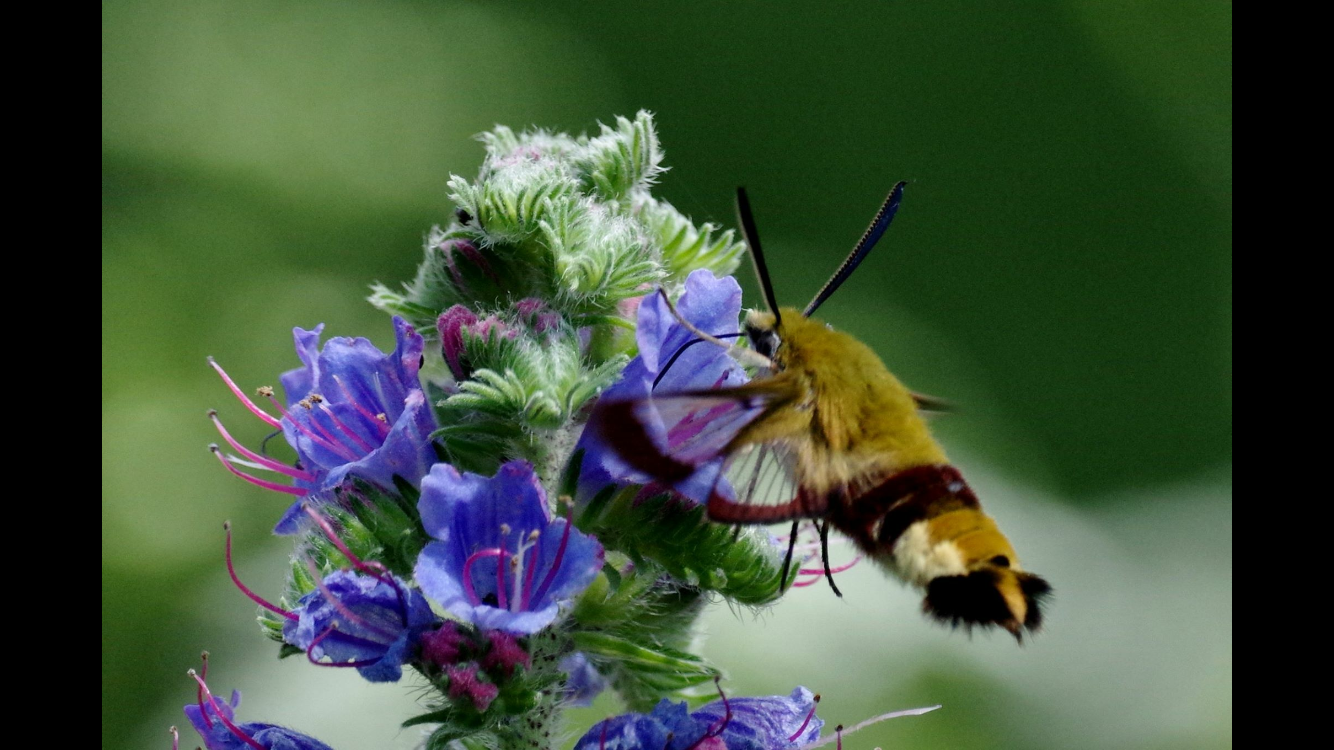
A broad-bordered bee hawkmoth feeding on viper’s bugloss was one photographer’s highlight, and a nice record.


broad-bordered bee hawkmoth © Bob Chappell

Despite the wet weather the insects have been making lackford lakes their home. Numbers of dragonflies such as hairy and - new this week – emperor dragonflies are increasing. Brown butterflies such as gatekeeper and meadow brown are in evidence for the first time along with small copper and skipper. A notable event is the nesting of tree bumblebees in the Double Decker hide – please take care if using this hide


Flashes of blue

In the bird world the kingfishers have fledged, adults and juveniles can be spotted all around lackford. (good spot is the Double Decker hide) Look out for that flash of bright blue across the water, they are such a stunning bird to watch and with the sunny weather on the way the sun makes them even more beautiful.

kingfisher © Stephen Whayman

kingfisher © Stephen Whayman


 The sound of summer

The turtle dove is a dainty dove, its smaller and dark than a collared dove and slightly larger than a black bird. The upperparts are mottled with chesnut and black and its black tail has a white edge. The purr of a turtle dove is the sound of summer and its amazing that one was spotted on the wire along our church walk path.

turtle dove © Rich Berry
Turtle dove © Jonny Rankin


 Family fun

A day trip to lackford lakes is perfect for the family to connect with nature, pop into the visitor centre where you can pick up one of our spotter sheets (see how many species you can spot)

On saturday 9th July we have, Summer birds & butterfly ID.    

Explore lackford lakes with local birder and butterfly enthusiast, Paul Holness, and learn to observe and identify the great variety of species.

A chance to spend a relaxed and informative day learning new identification skills or brushing up on those you already have.  The wide variety of habitats at Lackford encourages a great range of bird and butterfly species and you will have the opportunity to see and hear a good number of both. This day is suitable for beginners and those with less experience. Booking is essential for this event so please visit our website for more details. http://www.suffolkwildlifetrust.org/lackfordlakes

It was Naturally Art this weekend with our nature inspired art weekend for 5-10 year olds. This week there was an under the sea feel to it and was enjoyed as always by all who attended. If you would like your child to get involved, then book them onto our next session on the 10th Sept


Tuesday, 14 June 2016

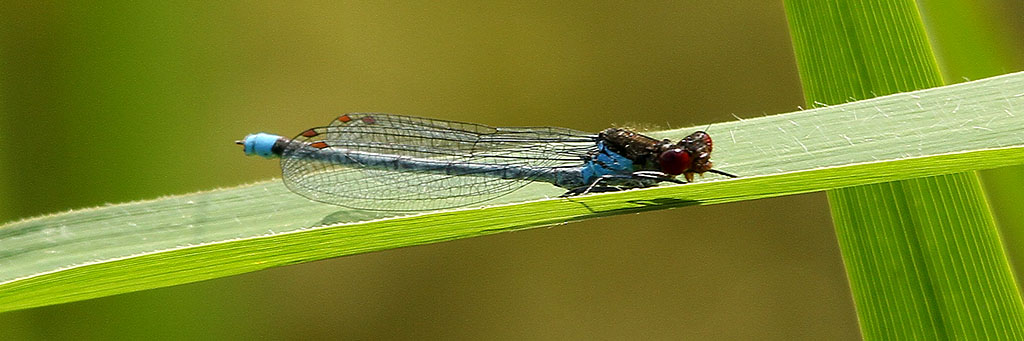
red eyed damselfly © Joe Jackson
SWT Lackford Lakes

Well the weekend and this week so far have been one minute sunshine and then the next rain, but it has not stopped the wildlife here at Lackford Lakes.

Fledging birds have been seen all over the reserve despite the terrible weather. Blue tits, treecreepers, long-tailed tits and blackcaps are being spotted all over. The kingfishers have been visible around the Hawker Pool. The parents have been seen carrying large fish to the nest bank so please keep your eyes open for fledging Kingfishers!

Last weekend a spotted flycatcher was seen for the second time at Lackford feeding over the centre pool. It is often perched on the edge of the branches and will dart in and out to catch its dinner. If you do see this amazing bird please let us know in the visitor centre!

Damselflies and dragonflies are being seen all over Lackford. Look out for their striking colours and the beating of the wings flying past you.   

Four spotted chaser © Joe Jackson 


Sadly our dragonfly & damselfly identification on 25th June is now FULLY BOOKED. But... do not fear, every Saturday throughout June at 1pm we will be doing Discover the moths of Lackford

There is no need to book but be ready at the visitor centre just before 1pm.


The above video was taken at lackford two weekends ago and shows some of the species that are around at the moment.

Over the last few days our bee orchards have been flowering. We have at least 3 in bloom at the moment with many more preparing to burst into colour in the coming weeks.

One other event that has taken place this week is the appearance of a good range of butterfly species:brown argus, speckled wood, green veined white, red admiral and holly blue but on the top of the list is the painted lady making its appearance for the first time.

Great crested grebe on its nest © Gregory Veness

There are no new birds to add to our list but a count of 100 lapwing are on The Slough, along with the odd common tern.


Monday, 21 March 2016

It's all kicking off!

Yes, spring already we hear you cry. It only seemed like last week when we were getting over new year and now we have our first sping arrival in the shape of a chiff chaff, which has been seen and heard chiff chaff-ing away along the path between the visitor centre and Bernard's hide. Another spring visitor that's also been seen and heard is a blackcap on the sailing lake path near the bench. Dunnocks can be seen around the reserve singing from the calling posts. This spring activity comes just in time for our spring activities here at Lackford.

We've got lots happening here at Lackford this spring starting with our Spring safari activity day on the 31st March where we will be looking for wildlife in the streams, lakes, ponds and woods of Lackford Lakes.

On the 1st of April, we have Family Friday where you can explore the reserve to see how many springtime challenges you can complete.

Our regular Naturally Art workshop is on the 2nd April as well as our wildlife weekend the Sounds of Spring, which runs throughout the weekend. This is the time of year when the air is filled with the sounds of birds calling for a mate. How many different species will you hear? Are birds the only thing you'll hear? On the Sunday, you can take a Wildlife Wander with the guides on a tour of the reserve and see some of the wildlife that lives at Lackford and how they are getting ready for spring.

On the 5th April, we have Love bugs and crazy daisies activity morning for 4-7 year olds, where they can go on a hunt for the mini beasts that inhabit the reserve.

At the end of the week on the 8th April, we have Young wardens who will be sharpening the conservation skills by working on the reserve.

There's always plenty happening at Lackford, don't forget to check out our forthcoming events list on the right of this page, or click on the link at the top.

Another first for Lackford!

Yes, another species has been recorded for the first time at Lackford in the shape of a raven, two in fact. The were spotted deep in combat with a pair of red kites over the sheep fields by several people and thankfully, captured on camera by our regular visitor and contributor Ian Goodall.

Two ravens circle one of the red kites © Ian Goodall
In pursuit, the raven identified clearly by its size and diamond shaped tail © Ian Goodall
Tables turned, the red kite dives after one of the ravens © Ian Goodall
Quarrel over, the red kite drifts majestically away © Ian Goodall
This just goes to show that even when the weather is overcast, raining or dreary, that the action doesn't cease. A big thank you to Ian for allowing us to use these photos.

Another unusual capture.

This weekend saw the kingfishers displaying well around the reserve, especially at the false bank at Hawker Pool. 
Male kingfisher approaches the false bank © Ian Goodall
However, another regular visitor Alan Theobald managed to capture this unusual situation at Bernard's Hide.

Kingfisher with a Great Crested Newt © Alan Theobald
Yes, the male kingfisher managed to catch and eat this great crested newt at Bernard's pool, which just goes to show that the lakes don't just have fish and crayfish in them, there's newts too. Thank you Alan for sharing.

It doesn't stop there, yes, there's more. Barry Woodhouse, another regular contributor managed to get a photo of this very shy individual also at Bernard's hide.

Water rail © Barry Woodhouse
Water rail are more often heard than seen with their screaming call being emitted from the reed beds, but of late, several have been showing well sneaking out of cover.

Elsewhere on the reserve, everything has been getting busy as spring finally gets under way. Our Visitor officer even caught this black-headed gull trying to chase off a mute swan, which in turn was seeing off a canada goose

Back off!! © Hawk Honey
So as we've seen, it doesn't have to be all blue skies and sunshine for you to see lots at Lackford, there are things happening all the time, so don't miss out!

Sightings

Red-crested pochard are still being seen mainly from Steggall's hide on Wilson's Flood near the pontoon. Shelduck have grown in number and we now have about a dozen that can be seen on The Slough along with oystercatchers, redshank, teal, shoveler and the odd kingfisher and snipe.
Snipe have also been showing very well at Bernard's hide, with the occasional jack snipe turning up from time to time. As seen above, water rail are also being spotted here too.

In Ash Carr, nuthatch, siskin, grey wagtail, goldcrest, great spotted woodpeckers, marsh tit, coal tit and treecreepers are regularly being spotted. Plenty of wrens are also being seen around the reserve too.

Wren looking for insects © Hawk Honey
Barn owl has been spotted on some evenings from the Double-decker hide. Buzzards are a regular spot over the reserve and red kite are also getting seen more. In the fields next to Ash Carr, look out for a pair of kestrels often seen perched in the lone tree.
Kestrel pair in Ash Carr field
Also in the field this weekend, 70+ redwing  were spotted feeding up getting ready for the long flight north.

Redwing getting ready to leave © Barry Woodhouse
Don't forget, soon the spring migrants will be arriving at Lackford and we want your sightings. So if you think you've seen a new arrival, please pop into the centre and let us know.


Tuesday, 1 March 2016

Bags of Help!

Well things are really looking good here at Lackford Lakes. The artworks up around the Slough have now been completed and many of the visitors are liking the new improvements. The area around Reed hide has been opened up and re-profiled and is now called the shallows. This should bring the waders in closer to the hides and has already enticed in a pair of snipe and some oystercatchers.

Another TV

Yes, those kind people at Hughes have kindly donated us another TV for the centre at Lackford. The first TV donated to us by Hughes relays all the activity from our wildlife cameras straight into the centre. But the new TV will show your wonderful wildlife images in the centre. At the moment, the TV is currently showing some drone footage of Lackford taken by our volunteer and facilitator in getting the new TV, John Lord. It’s also showing some wonderful images of our winter ducks taken by regular contributor Ian Goodall.

New TV from Hughes.
We want to keep the images seasonal and with spring just around the corner, we want to see your images of those spring arrivals, courtship activity, etc. All we ask is that the image be a high quality jpg 1080 x 1920 and has to be taken at Lackford. Please email your photos to us at lackford.centre@suffolkwildlifetrust.org We can’t promise to use everyones photos, but we will do our best.

Another camera

Yes, more good news, Handykam has kindly donated us another camera to be used at Lackford. This is a welcome addition to the current three cameras we have as we get even more views of what is happening around the centre. We were planning to use the camera in an owl/kestrel box mounted on the centre, but we found out that there is some work that will need to be carried out soon on that part of the building and a nesting bird would scupper those plans. But fear not, Visitor Officer Hawk Honey put on his thinking cap and has come up with ‘Pond Cam’!

Now, visitors to the centre, can see what is happening below the calm surface of the pond outside on the TV inside the visitor centre. 


And in this clip, we see a mallard drake feeding quietly before the female comes in and stirs it all up and shows him how it’s done.


A more unusual and less seen creature from the one above can be seen swimming past on our Facebook page.

Bags of Help!


From this Saturday, Tesco shoppers will be able to cast their vote for Lackford Lakes and help decide whether we receive £8,000, £10,000 or £12,000 towards improving the site.
The supermarket has teamed up with conservation group Groundwork to launch its Bags of Help campaign in hundreds of regions across England and Wales.
The scheme will see three community groups and projects in each of Tesco’s 390 regions awarded grants of £12,000, £10,000 and £8,000 – all raised from the five pence charge levied on single-use carrier bags.
The public will vote in store from 27 February until 6 March on who should receive which amount.
At Lackford the Bags of Help initiative will allow us to resurface a section of the Kingfisher Trail to improve access for pushchairs and wheelchairs. 
But if shoppers vote for us to receive £10,000 or £12,000 the Trust will be able to resurface more of the path, replace a wooden bridge on the Kingfisher Trail and purchase a new mobility scooter.
You can vote for Lackford by shopping at Tesco at St Saviours Interchange, Bury St Edmunds IP32 7JS

For more information click here

Recent works at The Slough.

The recent earthworks at The Slough have now been completed and everyone is liking the end result. As you can see, The Slough has been re-profiled in an attempt to bring the waders and other wildlife much closer to the hides. This new area is now known as The Shallows.

The Shallows from the Double-decker hide.
This new area along with a few other changes means we’ve now got a new map, which can be seen in the visitor centre alongside the new TV and sightings board.

March events.

The year is zipping along and already we find ourselves in March, where does the time go? We’ve got lots of events lined up for this month and something for everyone and they can all be found here or from the listing on the right if you’re on a desktop computer. But don’t leave it too long as these events begin to book up early, so don’t miss out. 

Lots of fun at Naturally Art

Paul’s Monthly Guided Bird Walk Wed 9th

Easter opening!

Yes, Easter is almost upon us, but that doesn’t stop us here at Lackford because we are open ALL WEEKEND including Bank Holiday Friday and Monday. So if you’re stuck for something to do, do pop down and see us.

Sightings.

Our bird species list continues to grow here at Lackford and we’re now up to 87 species for the year! Latest on the list is a peregrine that was spotted from Steggall’s hide flying over. Our newest arrival this week saw not 1, not 2, but 3 red-crested pochard, two males and a female. A pair of these successfully raised some chicks here last year and we wonder if any of these are those chicks? One of the males has gone down to Wilson’s Flood and the other pair are sitting at Mill Deep. 

Red-crested pochard by Ben Moyes
4, yes 4 kingfishers were observed fighting at the weekend at Hawker Pool by the false kingfisher bank. The following day there were 3 with 2 males trying woo a female. Has spring sprung????

Great-crested grebes have been doing their bonding dance on Long Reach and this was seen and captured by one of our wildlife guides Jim Palfrey.

Great-crested grebes do their dance of love!
Bittern hasn’t been seen in the last week, but this does not mean it isn’t there as bitterns are an expert when it comes to camouflage. However, regular visitor Stuart Finley managed to photograph this bittern as it flew past Reed hide.

Bittern in flight
Tree sparrows have been heard from the field feeders and plenty of bullfinch, siskin, redpoll, goldcrest and marsh tits have been spotted around the reserve, especially Winter hide and Ash Carr.

Buzzard’s and marsh harrier’s have been regularly sighted these last few weeks drifting lazily over the reserve and snipe, oystercatcher and goosander’s can still be seen on The Slough and the long-tailed duck is still here and often seen on Hawker Pool or Long Reach among other places. See the staff to find out her latest location before you go off hunting for her.

The otters  have been sighted occasionally around Hawker Pool and we are still getting our several thousand gulls roosting on the Sailing lake overnight with the odd rarity amongst them such as Iceland gull.

Don’t forget to pop into the centre when you arrive to check out where all the latest sightings are before you walk round.


Tuesday, 15 December 2015

Seasons greetings!

Well christmas is almost upon us and soon the visitor centre will be closing for the Xmas period. Below is our opening times over the festive season

Sat 19th - Open
Sun 20th - Open closing at 4pm
Mon 21st - Visitor centre closed
Tue 22nd - Visitor centre closed
Wed 23rd - Visitor centre closed
Thu 24th - Visitor centre closed
Fri 25th - Visitor centre closed
Sat 26th - Visitor centre closed
Sun 27th - Visitor centre closed
Mon 28th - Visitor centre closed

Tue 29th - Open 10am
Wed 30th - Open
Thu 31st - Open
Fri 1st Jan - Open
Sat 2nd Jan - Open
Sun 3rd Jan - Open

These time are for the visitor centre only, the reserve will be open during the usual times (the toilets are only open when the centre is open) and what better way to get away from the busy festive activities. You can find plenty of peace and quiet here at Lackford and spend time looking for some of the winter wildlife that's around at the moment.

There is a Christmas activity morning for 4-10 year olds on the 22nd December - 10.30am-12.30pm. The perfect opportunity to drop the kids off for some festive crafts and trails while you pop out and do some last minute christmas shopping! Spaces are still available, but booking is essential though so call us to book on 01284 728706.

Don't forget to check the right side of this blog to see our other activities.

Jay's can be seen around the reserve stocking up on winter food by stashing it away in a secret hidy-hole somewhere, a bit like squirrels. 

Jay getting food from our feeder cam.
Elsewhere, kingfishers are still to be seen fishing at the various lakes on the reserve. Of late, we've had a male kingfisher who has taken very well to the visitor centre pond by spending up to a couple of hours at a time catching small fish.

Kingfisher by Ian Goodall
The feeders at the visitor centre have been very busy too with lots of great, blue, coal and marsh tit's visiting the feeders. Look out across the pond and you may also see the odd reed bunting amongst the reeds.

Reed bunting by Ian Goodall
Don't forget to check out the various hides around the reserve and look out for some winter specials such as goldeneye and goosander.

Male goldeneye by Ian Goodall

A beautiful male goosander by Ian Goodall

Works on the reserve

This week and going on till February next year, there will be some major work going on at The Slough. This will involve some machinery and the wildlife around this lake and Jason's pool, may move off to other lakes around the reserve. The work will improve the Slough making it even better for wildlife and visitors too and bringing the two closer together we hope. Over the festive period the work will cease, but will be resumed in the new year. So whilst the work is ongoing, it would be best if you concentrated your viewings to the East Lakes trail (Fuller's Mill, Bess', Atlas and Steggall's hides) and avoid the Double-Decker, Reed and Bill's hides altogether. 

The New Year

As always, the centre will be open on New Year's day and what better way to start the new year with a guided walk with our bird expert Paul Holness. There will be 2 x 2hr walks, the first starting at 10:30am then at 1:30pm. The cost is £3 and there's no need to book, places will go to a first come, first served basis.

Then on the 2nd Jan, we have our first themed weekend of the year Bedtime at Lackford. Starting at 1pm, we will have wildlife guides placed around the reserve reporting and showing people where to see the various birds coming into the reserve to spend the night. You can go out with the guides or stay in the centre to see the reports coming in and being posted to our sightings board. There should be 1,000's of gulls arriving along with goosanders. Reed buntings will be seen diving into the reeds and if we're really lucky, we may get to see a few starlings too!


Gull's coming into roost on the sailing lake.

Sightings

We have now officially moved into winter and now we can look forward to a few months of watching winter ducks and the winter roosts we have at Lackford.
Starting with the ducks, winter is when these look best.  We have thousands using the reserve from the smallest the teal to the ones we only see in the winter, the goldeneye and goosander.  Other ducks to look for include tufted duck, pochard, wigeon, shoveler and gadwall.  The unusual duck - the long-tailed duck is still here and is now approaching its six week.  It is often on hawker pool
Winter is also a time when the feeders at the centre are the busiest.  Lots of blue tits and great tits can be seen.  The coal tit and marsh tit make quick appearances from time to time.  The great spotted woodpecker and jay are also making regular appearances.  We are just beginning to see a few others like chaffinch and blackbirds using the feeding area - they should become more common as the winter progresses and it gets colder as it should be.
Still at the centre - the kingfisher seems to pop in daily at the moment for a bit of lunch.  We have also been watch quite a few siskin and the occasional redpoll on the trees around the visitor centre.
Winter thrushes are just starting to make appearances with redwing and fieldfare be seen in recent days.
The main attraction, comes at the end of the day so worth staying to the end - the gulls.  Thousands are now settling on the sailing lake in the last few hours of daylight.  It is a sight just to see and if you were to look carefully through them you might find a more unusual gull like a caspian gull or yellow-legged gull that were at the roost the other day.
Other birds seen going to roost include reed bunting in the reeds, little egrets flying past, cormorants and goosanders.
Teal on the reserve.

Thank you and merry christmas

All the staff at Lackford would like to thank all our volunteers, visitors and members. We wish you all a very merry christmas and hope you all have a wonderfully pleasant new year. We look forward to seeing you in 2016!